
Is a chip’s bonding wire thinner than a hair?
| Reference | Dimension |
|---|---|
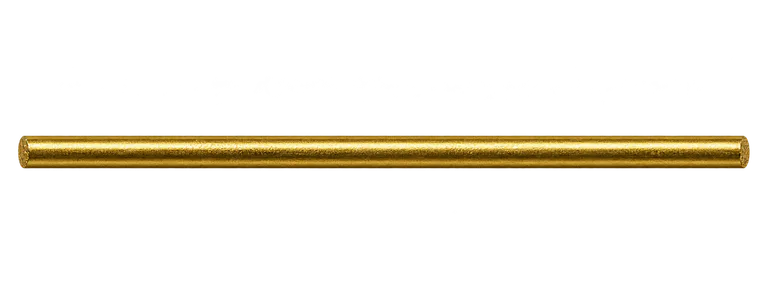
| Gold bond wire | 25 µm representative diameter ≈ 25 µm |
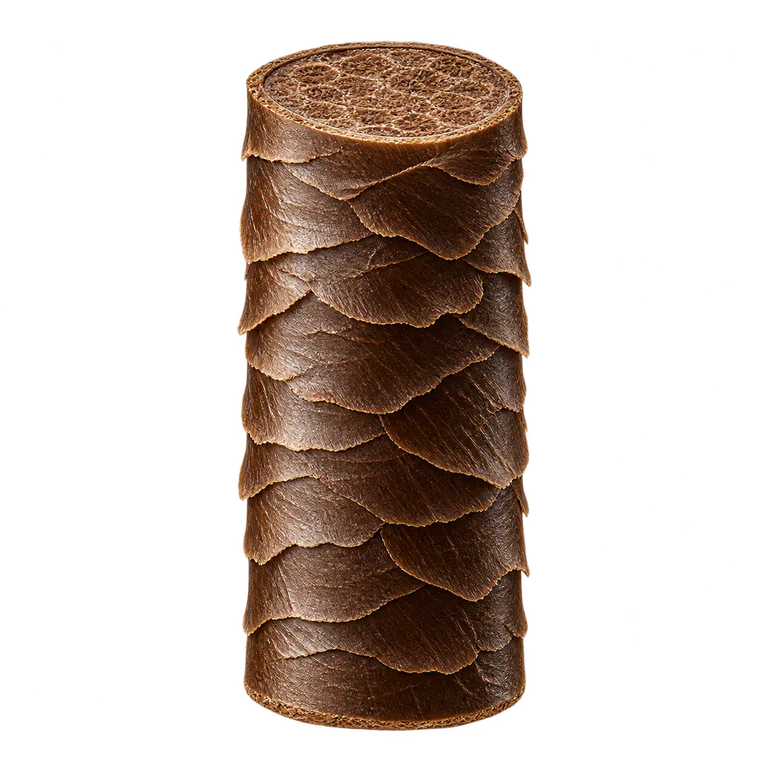
| Human hair | 70 µm Representative diameter |
Calculation: 70 µm ÷ 25 µm, after conversion into the same unit. The ratio calculated from the catalogue data is about 2.8.
Both illustrations use a common factor for the stated dimension. Positions aid reading and do not represent physical separation.
Real hair varies widely, and not all bonding wires have this diameter. The illustration frames a wire segment to make its thickness readable; its diameter remains at the same scale as the hair’s.
Check the conventions
Gold bond wire
Varies by periodGeneric manufacture
Wire bonding connects tiny contacts using very fine metal wires. A diameter of about 25 µm is a common example, not a minimum or a value shared by all components. Here only the wire's thickness is to scale; its horizontal length is shortened and symbolic.
Rounded technical example; the linked source was not consulted in this session, and the value has not been individually audited.
Human hair
Hair thickness varies greatly between individuals. Displayed dimension: representative diameter.
Catalogue value to check against the source; not individually audited.
Choose another reference
Replace an object in the explorer, keep the common scale factor and try predicting the new ratio before reading it.
Open the comparison →